
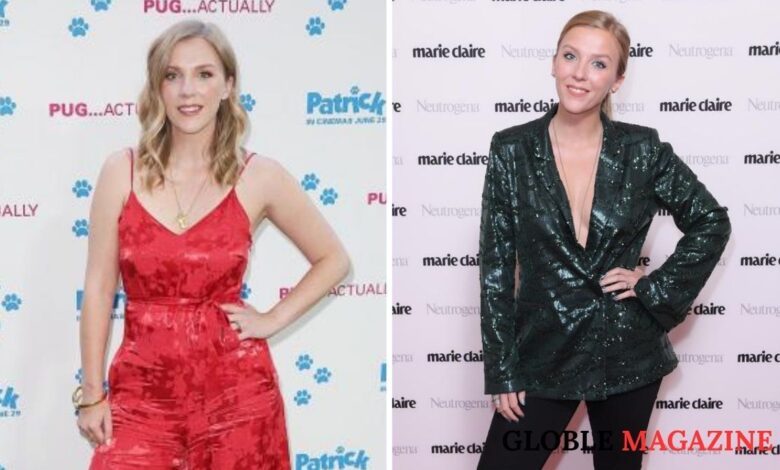
Some performers spend their entire careers trying to outrun a famous last name. For Beattie Edmondson, that name came attached to two of Britain’s biggest comedy legends — yet she has spent the better part of two decades proving she belongs on screen entirely on her own merit. As the child of Absolutely Fabulous creator Jennifer Saunders and The Young Ones star Adrian Edmondson, she was practically raised in the wings of British television. But the woman you see in sitcoms like Josh and family films like Patrick isn’t coasting on a surname. She’s a naturally gifted comic actress with her own instincts, her own rhythm, and a warmth that audiences find easy to root for.
For American viewers who know Jennifer Saunders as the gloriously chaotic Edina Monsoon or as one half of the beloved French and Saunders duo, her daughter’s rise offers a fascinating look at how British comedy talent gets handed down — and then reinvented. This profile walks through the young actress’s upbringing, her breakthrough roles, the creative bond she shares with her mom, and the private life she has built away from the cameras. Here is the full story of how one of Britain’s most likable performers stepped out of an enormous shadow and into a spotlight of her own.
Quick Bio Table
| Detail | Information |
|---|---|
| Full Name | Beatrice Louise Edmondson |
| Known As | Beattie Edmondson |
| Date of Birth | June 19, 1987 |
| Age | 39 (as of 2026) |
| Birthplace | London, England |
| Nationality | British |
| Profession | Actress, comedian, writer |
| Mother | Jennifer Saunders |
| Father | Adrian “Ade” Edmondson |
| Siblings | Ella Edmondson (older), Freya Edmondson (younger) |
| Spouse | Sam Francis (m. 2017) |
| Children | Two |
| Best Known For | Josh, Patrick, Bridget Jones’s Baby |
Growing Up in Britain’s Most Famous Comedy Household
Born Beatrice Louise Edmondson on June 19, 1987, in London, the future actress arrived into a world already steeped in comedy royalty. Her mother was on the brink of superstardom — the first series of French and Saunders premiered the very year Beattie was born, and Absolutely Fabulous would soon turn Jennifer Saunders into a household name on both sides of the Atlantic. Her father, meanwhile, had already carved out a reputation as an anarchic, wildly physical force in Britain’s alternative comedy scene through cult hits like The Young Ones and Bottom. Few children grow up with two parents who each helped define a comedic era, but that was Beattie’s ordinary reality.
Despite that high-profile pedigree, her childhood was surprisingly grounded. The family left the bustle of London for the quieter countryside of Devon, where she was raised alongside her two sisters, well away from the flashbulbs of showbiz. Her older sister, Ella, would become a singer-songwriter, while her younger sister, Freya, later found her niche behind the scenes in the costume department of television and film. All three daughters inherited a creative streak, but their parents were careful to give them a normal, down-to-earth home life rather than a childhood spent chasing fame.
The Weight of a Famous Surname
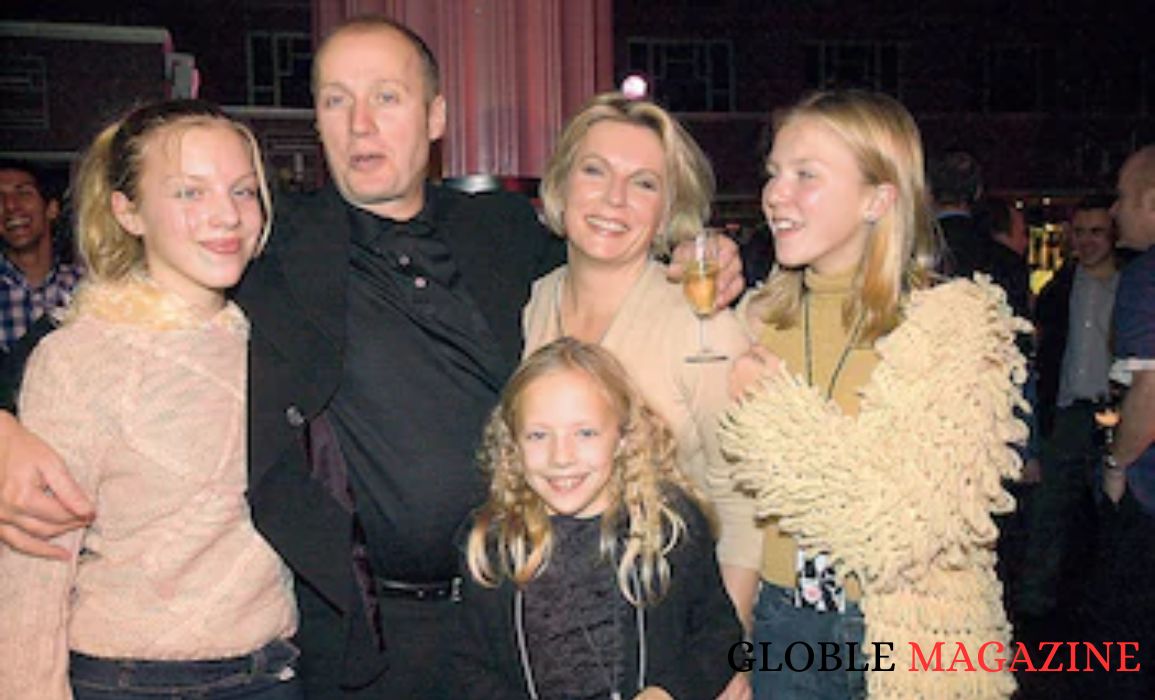
Being the offspring of two comedy icons is a double-edged sword. On one hand, it offers a front-row education in timing, performance, and the mechanics of a punchline. On the other, it invites constant comparison and the assumption that any success must be inherited rather than earned. From the very start, Beattie was determined to be valued for her own work. In early interviews she gently pushed back against the idea that she was riding on her mother’s coattails, insisting she was nobody’s second-generation cliché. That quiet insistence on building her own identity has been the defining thread of her entire journey.
Education and Early Steps Toward Performing
Beattie attended Exeter School before heading north to the University of Manchester — coincidentally her father’s old stomping ground. In a telling early sign of her independent streak, she chose not to audition for the university’s established drama society during her second year. Instead, she gathered a handful of like-minded friends and started something entirely of her own — a small decision, but a revealing one. Rather than slotting into a ready-made platform, she preferred to build a stage from scratch and earn every bit of attention that came with it.
That instinct led to an all-female sketch comedy troupe that eventually became known as Birthday Girls. The group cut its teeth on the demanding British comedy circuit and performed at the Edinburgh Festival Fringe, the sprawling arts marathon where countless comedians have been discovered. Those years of live sketch work — writing her own material and testing it in front of unpredictable crowds — gave the young performer a toughness and a sense of comic craft that no famous surname could provide. By the time television came calling, she had already logged serious hours honing her voice.
Building a Career in Comedy and Drama
Her first real television break arrived with The Wright Way in 2013, a short-lived Ben Elton sitcom in which she played Victoria. The show itself was quietly axed after a single series, which might have discouraged a less determined performer. But early setbacks are a rite of passage in comedy, and this one did nothing to slow her momentum. If anything, it confirmed that she could hold her own in a professional television environment — and it set the stage for the role that would truly put her on the map.
Finding Her Voice in “Josh”
That role came with Josh, the BBC Three sitcom built around comedian Josh Widdicombe that ran across three series between 2015 and 2017. Cast as Kate, one of three flatmates at the heart of the show, she shared the screen with Widdicombe and a young Jack Whitehall — no small task for a performer still establishing herself. It would have been easy to get lost in that ensemble, but she didn’t. Critics singled her out, with one national newspaper praising how her comic timing genuinely stood out from the crowd. As Kate, she brought a grounded, exasperated charm that balanced the broader energy around her, finally establishing herself as a comic actress in her own right rather than merely a famous couple’s daughter.
Making the Leap to Film
While Josh built her television reputation, she was simultaneously edging into feature films — and her list of screen credits grew impressively varied. Her most notable roles include:
- Bridget Jones’s Baby (2016) — a supporting turn as Laura, dropping her into one of the biggest British franchises going, opposite Renée Zellweger.
- Absolutely Fabulous: The Movie (2016) — a neat cameo that offered a full-circle nod to her mother’s most iconic creation.
- Patrick (2018) — her first leading film role, carrying an entire Disney family comedy.
- The Pursuit of Love — a period drama role as Louisa Radlett that showcased her range beyond pure comedy.
- Josh, Upstart Crow, Temple, and Fresh Meat — a spread of television work spanning sitcom, historical comedy, and gritty drama.
Of all these, Patrick was the true test. Directed by Mandie Fletcher, the wholesome 2018 comedy cast her as Sarah Francis, a recently dumped teacher whose life is turned upside down by an unruly pug she unexpectedly inherits. The whole film rested on her shoulders, and reviewers noted that she’d clearly inherited her parents’ flair for physical comedy — her expressive face and goofy energy carrying scenes even when the script ran thin. She later laughed about the surreal experience of having pâté smeared on her face so the professional pug co-star would lick it on cue, calling the dog the most reliable actor she’d ever worked with.
Crucially, she has refused to be boxed in as a purely comedic talent. Her move into prestige drama with roles like Louisa in The Pursuit of Love and appearances in series such as Temple showed a willingness to stretch. That flexibility — comfortable in broad slapstick one moment and restrained period drama the next — is exactly what separates a working actress from a one-note performer, and it has kept her career interesting well beyond a single breakout hit.
The Creative Bond With Jennifer Saunders
The relationship between Beattie and her mother has produced some lovely on-screen symmetry over the years. Jennifer Saunders appeared in a supporting role in Patrick, reuniting mother and daughter in front of the camera and reportedly sharing improvised moments that made the shoot feel like a family affair. The pair have also become a fan-favorite duo on Celebrity Gogglebox, the British institution in which famous faces react to the week’s television. Watching the two of them riff together, it’s easy to see where the younger performer picked up her deadpan precision.
What’s most striking, though, is how that inherited talent shows up as instinct rather than imitation. From her mother she absorbed a gift for dry, understated delivery; from her father, a knack for physical, chaotic comedy. Yet she has never simply replayed her parents’ greatest hits. She blends those two very different sensibilities into something recognizably her own — a warm, slightly self-deprecating, unmistakably British likability that makes her characters feel like people you might actually know. That is her real inheritance: not a shortcut to fame, but a deep understanding of what makes an audience laugh.
Life Beyond the Screen
Away from acting, the actress has built a settled and refreshingly private family life. In June 2017 she married Sam Francis, a BBC News researcher and journalist, in a low-key celebration that kept the couple firmly out of the tabloid spotlight. Given how much of her family’s history has played out in public, her decision to guard her personal world speaks to the same grounded values her parents instilled during those Devon years.
The couple welcomed their first child in 2019 and a second in 2021, and Beattie has been candid about the genuine juggle of raising young children while pursuing an acting career. Balancing auditions, film sets, and family responsibilities is rarely glamorous, and she’s spoken openly about how relentless leading a production can be — long days on set with none of the downtime she was used to in television. That honesty about the realities of working parenthood is part of what makes her so relatable to audiences who see a bit of their own busy lives reflected back at them.
What Makes Beattie Edmondson Stand Out
Plenty of performers can land a joke, but relatively few can make you genuinely care about a character who exists mainly to react to the chaos around them. That’s the quiet skill at the center of her appeal. Whether she’s the exasperated flatmate, the flustered teacher chasing a runaway dog, or a supporting player in a costume drama, she brings a naturalism that never feels like she’s straining for a laugh. Her comedy lands because it feels human — the humor of everyday frustration rather than showy performance.
In the bigger picture, her career is a quietly inspiring example of inheriting an enormous legacy and then building something entirely your own. She could have traded purely on the family name, and no one would have blamed her. Instead, she started her own sketch group, ground through Fringe runs and a canceled debut sitcom, earned a reputation on Josh, and then stepped up to headline a feature film. Piece by piece, role by role, she has honored where she came from while insisting on being judged for what she actually does.
Final Thoughts
Beattie Edmondson’s story is ultimately about identity — about what it takes to be seen as yourself when the whole world already thinks it knows who you are. Born into a household shaped by two of Britain’s most fearless comedic minds, raised alongside equally creative sisters, and supported by a partner who values privacy as much as she does, she had every reason to feel the crushing weight of expectation. Her response was to keep her head down and let the work speak. From scrappy Edinburgh sketch shows to the heart of a hit sitcom, from a supporting role in a global franchise to leading her own Disney film, her path has been steady, smart, and self-directed.
Talent may run in families, but a reputation still has to be earned one role at a time — and on that count, Jennifer Saunders’ middle daughter has more than delivered. As she continues moving fluidly between comedy and drama, she remains one of the most watchable and endearing performers Britain has to offer. For American audiences just discovering her, she’s well worth keeping an eye on, because the best of her story may still be unfolding.
Frequently Asked Questions
1. Who is Beattie Edmondson? She is an English actress, comedian, and writer, best known for playing Kate in the BBC Three sitcom Josh and for leading the 2018 family comedy film Patrick. She is also widely recognized as the daughter of comedy stars Jennifer Saunders and Adrian Edmondson.
2. Is Beattie Edmondson really Jennifer Saunders’ daughter? Yes, she is the middle of Jennifer Saunders’ three daughters with husband Adrian Edmondson. Despite that famous lineage, she has built her acting career largely on her own work rather than relying on her parents’ fame.
3. Who is Beattie Edmondson’s father? Her father is Adrian “Ade” Edmondson, a comedian and actor famous for his roles in classic British comedies like The Young Ones and Bottom. He was a defining figure in the country’s alternative comedy movement of the 1980s.
4. What movies and TV shows is Beattie Edmondson known for? Her best-known credits include the sitcom Josh, the films Patrick and Bridget Jones’s Baby, and the period drama The Pursuit of Love. She has also appeared in shows such as Upstart Crow, Temple, and Fresh Meat.
5. How old is Beattie Edmondson? She was born on June 19, 1987, in London, which makes her 39 years old as of 2026. She grew up mostly in Devon after her family left the capital.
6. Does Beattie Edmondson have siblings? Yes, she has two sisters. Her older sister, Ella Edmondson, is a singer-songwriter, and her younger sister, Freya Edmondson, works behind the scenes in the costume departments of television and film.
7. Is Beattie Edmondson married? She married Sam Francis, a BBC News researcher and journalist, in June 2017. The couple keep their relationship largely out of the public eye and have two children together.
8. Have Beattie Edmondson and Jennifer Saunders worked together? Yes, the mother and daughter have shared the screen more than once. Jennifer Saunders appeared in a supporting role in Patrick, and the two have also become a popular pairing on the British reaction show Celebrity Gogglebox.
9. What was Beattie Edmondson’s first big acting role? Her first notable television role came in the 2013 Ben Elton sitcom The Wright Way, though the show was canceled after one series. Her true breakthrough followed with Josh, which ran across three series from 2015 to 2017.
10. Did Beattie Edmondson start out in stand-up or sketch comedy? She began in live sketch comedy, forming an all-female troupe that became known as Birthday Girls while at the University of Manchester. The group performed on the comedy circuit and at the Edinburgh Festival Fringe before she transitioned into television.
Some performers spend their entire careers trying to outrun a famous last name. For Beattie Edmondson, that name came attached to two of Britain’s biggest comedy legends — yet she has spent the better part of two decades proving she belongs on screen entirely on her own merit. As the child of Absolutely Fabulous creator Jennifer Saunders and The Young Ones star Adrian Edmondson, she was practically raised in the wings of British television. But the woman you see in sitcoms like Josh and family films like Patrick isn’t coasting on a surname. She’s a naturally gifted comic actress with her own instincts, her own rhythm, and a warmth that audiences find easy to root for.
For American viewers who know Jennifer Saunders as the gloriously chaotic Edina Monsoon or as one half of the beloved French and Saunders duo, her daughter’s rise offers a fascinating look at how British comedy talent gets handed down — and then reinvented. This profile walks through the young actress’s upbringing, her breakthrough roles, the creative bond she shares with her mom, and the private life she has built away from the cameras. Here is the full story of how one of Britain’s most likable performers stepped out of an enormous shadow and into a spotlight of her own.
Quick Bio Table
| Detail | Information |
|---|---|
| Full Name | Beatrice Louise Edmondson |
| Known As | Beattie Edmondson |
| Date of Birth | June 19, 1987 |
| Age | 39 (as of 2026) |
| Birthplace | London, England |
| Nationality | British |
| Profession | Actress, comedian, writer |
| Mother | Jennifer Saunders |
| Father | Adrian “Ade” Edmondson |
| Siblings | Ella Edmondson (older), Freya Edmondson (younger) |
| Spouse | Sam Francis (m. 2017) |
| Children | Two |
| Best Known For | Josh, Patrick, Bridget Jones’s Baby |
Growing Up in Britain’s Most Famous Comedy Household
Born Beatrice Louise Edmondson on June 19, 1987, in London, the future actress arrived into a world already steeped in comedy royalty. Her mother was on the brink of superstardom — the first series of French and Saunders premiered the very year Beattie was born, and Absolutely Fabulous would soon turn Jennifer Saunders into a household name on both sides of the Atlantic. Her father, meanwhile, had already carved out a reputation as an anarchic, wildly physical force in Britain’s alternative comedy scene through cult hits like The Young Ones and Bottom. Few children grow up with two parents who each helped define a comedic era, but that was Beattie’s ordinary reality.
Despite that high-profile pedigree, her childhood was surprisingly grounded. The family left the bustle of London for the quieter countryside of Devon, where she was raised alongside her two sisters, well away from the flashbulbs of showbiz. Her older sister, Ella, would become a singer-songwriter, while her younger sister, Freya, later found her niche behind the scenes in the costume department of television and film. All three daughters inherited a creative streak, but their parents were careful to give them a normal, down-to-earth home life rather than a childhood spent chasing fame.
The Weight of a Famous Surname
Being the offspring of two comedy icons is a double-edged sword. On one hand, it offers a front-row education in timing, performance, and the mechanics of a punchline. On the other, it invites constant comparison and the assumption that any success must be inherited rather than earned. From the very start, Beattie was determined to be valued for her own work. In early interviews she gently pushed back against the idea that she was riding on her mother’s coattails, insisting she was nobody’s second-generation cliché. That quiet insistence on building her own identity has been the defining thread of her entire journey.
Education and Early Steps Toward Performing
Beattie attended Exeter School before heading north to the University of Manchester — coincidentally her father’s old stomping ground. In a telling early sign of her independent streak, she chose not to audition for the university’s established drama society during her second year. Instead, she gathered a handful of like-minded friends and started something entirely of her own — a small decision, but a revealing one. Rather than slotting into a ready-made platform, she preferred to build a stage from scratch and earn every bit of attention that came with it.
That instinct led to an all-female sketch comedy troupe that eventually became known as Birthday Girls. The group cut its teeth on the demanding British comedy circuit and performed at the Edinburgh Festival Fringe, the sprawling arts marathon where countless comedians have been discovered. Those years of live sketch work — writing her own material and testing it in front of unpredictable crowds — gave the young performer a toughness and a sense of comic craft that no famous surname could provide. By the time television came calling, she had already logged serious hours honing her voice.
Building a Career in Comedy and Drama
Her first real television break arrived with The Wright Way in 2013, a short-lived Ben Elton sitcom in which she played Victoria. The show itself was quietly axed after a single series, which might have discouraged a less determined performer. But early setbacks are a rite of passage in comedy, and this one did nothing to slow her momentum. If anything, it confirmed that she could hold her own in a professional television environment — and it set the stage for the role that would truly put her on the map.
Finding Her Voice in “Josh”
That role came with Josh, the BBC Three sitcom built around comedian Josh Widdicombe that ran across three series between 2015 and 2017. Cast as Kate, one of three flatmates at the heart of the show, she shared the screen with Widdicombe and a young Jack Whitehall — no small task for a performer still establishing herself. It would have been easy to get lost in that ensemble, but she didn’t. Critics singled her out, with one national newspaper praising how her comic timing genuinely stood out from the crowd. As Kate, she brought a grounded, exasperated charm that balanced the broader energy around her, finally establishing herself as a comic actress in her own right rather than merely a famous couple’s daughter.
Making the Leap to Film
While Josh built her television reputation, she was simultaneously edging into feature films — and her list of screen credits grew impressively varied. Her most notable roles include:
- Bridget Jones’s Baby (2016) — a supporting turn as Laura, dropping her into one of the biggest British franchises going, opposite Renée Zellweger.
- Absolutely Fabulous: The Movie (2016) — a neat cameo that offered a full-circle nod to her mother’s most iconic creation.
- Patrick (2018) — her first leading film role, carrying an entire Disney family comedy.
- The Pursuit of Love — a period drama role as Louisa Radlett that showcased her range beyond pure comedy.
- Josh, Upstart Crow, Temple, and Fresh Meat — a spread of television work spanning sitcom, historical comedy, and gritty drama.
Of all these, Patrick was the true test. Directed by Mandie Fletcher, the wholesome 2018 comedy cast her as Sarah Francis, a recently dumped teacher whose life is turned upside down by an unruly pug she unexpectedly inherits. The whole film rested on her shoulders, and reviewers noted that she’d clearly inherited her parents’ flair for physical comedy — her expressive face and goofy energy carrying scenes even when the script ran thin. She later laughed about the surreal experience of having pâté smeared on her face so the professional pug co-star would lick it on cue, calling the dog the most reliable actor she’d ever worked with.
Crucially, she has refused to be boxed in as a purely comedic talent. Her move into prestige drama with roles like Louisa in The Pursuit of Love and appearances in series such as Temple showed a willingness to stretch. That flexibility — comfortable in broad slapstick one moment and restrained period drama the next — is exactly what separates a working actress from a one-note performer, and it has kept her career interesting well beyond a single breakout hit.
The Creative Bond With Jennifer Saunders
The relationship between Beattie and her mother has produced some lovely on-screen symmetry over the years. Jennifer Saunders appeared in a supporting role in Patrick, reuniting mother and daughter in front of the camera and reportedly sharing improvised moments that made the shoot feel like a family affair. The pair have also become a fan-favorite duo on Celebrity Gogglebox, the British institution in which famous faces react to the week’s television. Watching the two of them riff together, it’s easy to see where the younger performer picked up her deadpan precision.
What’s most striking, though, is how that inherited talent shows up as instinct rather than imitation. From her mother she absorbed a gift for dry, understated delivery; from her father, a knack for physical, chaotic comedy. Yet she has never simply replayed her parents’ greatest hits. She blends those two very different sensibilities into something recognizably her own — a warm, slightly self-deprecating, unmistakably British likability that makes her characters feel like people you might actually know. That is her real inheritance: not a shortcut to fame, but a deep understanding of what makes an audience laugh.
Life Beyond the Screen
Away from acting, the actress has built a settled and refreshingly private family life. In June 2017 she married Sam Francis, a BBC News researcher and journalist, in a low-key celebration that kept the couple firmly out of the tabloid spotlight. Given how much of her family’s history has played out in public, her decision to guard her personal world speaks to the same grounded values her parents instilled during those Devon years.
The couple welcomed their first child in 2019 and a second in 2021, and Beattie has been candid about the genuine juggle of raising young children while pursuing an acting career. Balancing auditions, film sets, and family responsibilities is rarely glamorous, and she’s spoken openly about how relentless leading a production can be — long days on set with none of the downtime she was used to in television. That honesty about the realities of working parenthood is part of what makes her so relatable to audiences who see a bit of their own busy lives reflected back at them.
What Makes Beattie Edmondson Stand Out
Plenty of performers can land a joke, but relatively few can make you genuinely care about a character who exists mainly to react to the chaos around them. That’s the quiet skill at the center of her appeal. Whether she’s the exasperated flatmate, the flustered teacher chasing a runaway dog, or a supporting player in a costume drama, she brings a naturalism that never feels like she’s straining for a laugh. Her comedy lands because it feels human — the humor of everyday frustration rather than showy performance.
In the bigger picture, her career is a quietly inspiring example of inheriting an enormous legacy and then building something entirely your own. She could have traded purely on the family name, and no one would have blamed her. Instead, she started her own sketch group, ground through Fringe runs and a canceled debut sitcom, earned a reputation on Josh, and then stepped up to headline a feature film. Piece by piece, role by role, she has honored where she came from while insisting on being judged for what she actually does.
Final Thoughts
Beattie Edmondson’s story is ultimately about identity — about what it takes to be seen as yourself when the whole world already thinks it knows who you are. Born into a household shaped by two of Britain’s most fearless comedic minds, raised alongside equally creative sisters, and supported by a partner who values privacy as much as she does, she had every reason to feel the crushing weight of expectation. Her response was to keep her head down and let the work speak. From scrappy Edinburgh sketch shows to the heart of a hit sitcom, from a supporting role in a global franchise to leading her own Disney film, her path has been steady, smart, and self-directed.
Talent may run in families, but a reputation still has to be earned one role at a time — and on that count, Jennifer Saunders’ middle daughter has more than delivered. As she continues moving fluidly between comedy and drama, she remains one of the most watchable and endearing performers Britain has to offer. For American audiences just discovering her, she’s well worth keeping an eye on, because the best of her story may still be unfolding.
Frequently Asked Questions
1. Who is Beattie Edmondson? She is an English actress, comedian, and writer, best known for playing Kate in the BBC Three sitcom Josh and for leading the 2018 family comedy film Patrick. She is also widely recognized as the daughter of comedy stars Jennifer Saunders and Adrian Edmondson.
2. Is Beattie Edmondson really Jennifer Saunders’ daughter? Yes, she is the middle of Jennifer Saunders’ three daughters with husband Adrian Edmondson. Despite that famous lineage, she has built her acting career largely on her own work rather than relying on her parents’ fame.
3. Who is Beattie Edmondson’s father? Her father is Adrian “Ade” Edmondson, a comedian and actor famous for his roles in classic British comedies like The Young Ones and Bottom. He was a defining figure in the country’s alternative comedy movement of the 1980s.
4. What movies and TV shows is Beattie Edmondson known for? Her best-known credits include the sitcom Josh, the films Patrick and Bridget Jones’s Baby, and the period drama The Pursuit of Love. She has also appeared in shows such as Upstart Crow, Temple, and Fresh Meat.
5. How old is Beattie Edmondson? She was born on June 19, 1987, in London, which makes her 39 years old as of 2026. She grew up mostly in Devon after her family left the capital.
6. Does Beattie Edmondson have siblings? Yes, she has two sisters. Her older sister, Ella Edmondson, is a singer-songwriter, and her younger sister, Freya Edmondson, works behind the scenes in the costume departments of television and film.
7. Is Beattie Edmondson married? She married Sam Francis, a BBC News researcher and journalist, in June 2017. The couple keep their relationship largely out of the public eye and have two children together.
8. Have Beattie Edmondson and Jennifer Saunders worked together? Yes, the mother and daughter have shared the screen more than once. Jennifer Saunders appeared in a supporting role in Patrick, and the two have also become a popular pairing on the British reaction show Celebrity Gogglebox.
9. What was Beattie Edmondson’s first big acting role? Her first notable television role came in the 2013 Ben Elton sitcom The Wright Way, though the show was canceled after one series. Her true breakthrough followed with Josh, which ran across three series from 2015 to 2017.
10. Did Beattie Edmondson start out in stand-up or sketch comedy? She began in live sketch comedy, forming an all-female troupe that became known as Birthday Girls while at the University of Manchester. The group performed on the comedy circuit and at the Edinburgh Festival Fringe before she transitioned into television.
Stay connected with us for more updates: GLOBLE MAGAZINE